








































Why Antibiotic Misuse Is Fueling a Silent Public Health Crisis in Kenya

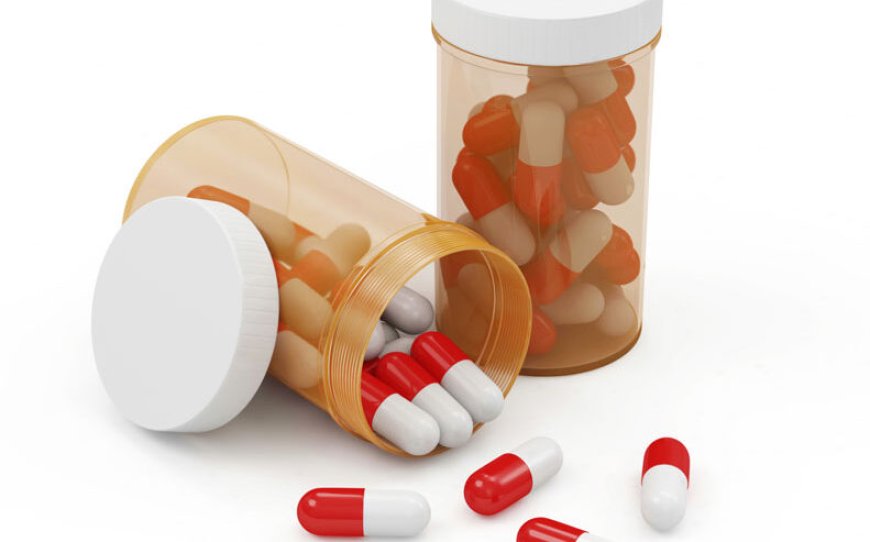
Imagine a parent in Busia, Nairobi or Garissa walking into a chemist with a sick child. Instead of seeking medical advice, they describe the symptoms and walk out minutes later with antibiotics without a doctor’s prescription or a laboratory test. Three days later, the child feels better, so the rest of the medicine is saved “for next time.”
This practice widespread across Kenya is contributing to a growing and dangerous public health threat: antimicrobial resistance (AMR), a scenario where bacteria and other microbes become resistant to antibiotics and similar drugs, making common infections harder, costlier, and sometimes impossible to treat.
What Is AMR and Why Should Kenyans Be Worried?
Antimicrobial resistance occurs when disease‑causing organisms evolve to survive drugs designed to kill them. The result is infections that:
- Take longer to clear
- Recur frequently
- Require stronger and more expensive medications
- Can be fatal when treatment options run out
According to the World Health Organization (WHO), antibiotic resistance is rising globally, with one in six bacterial infections now resistant to treatment and resistance is especially high in regions with weak health systems and widespread misuse of antibiotics.
In Kenya, experts warn that AMR is no longer a future threat it’s happening now, and infections once easily treated are becoming increasingly stubborn and dangerous.
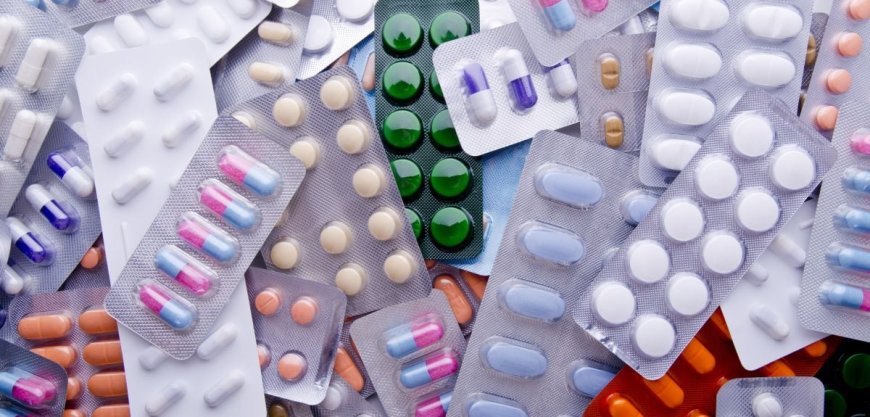
How Misuse of Antibiotics Drives Resistance
Unlike many viral illnesses such as the common cold or flu, bacterial infections can be treated with antibiotics, but only when used correctly. However:
- Many people buy antibiotics without prescriptions at chemists.
- Doses are stopped early when symptoms disappear.
- Leftover pills are shared between family members.
These practices give bacteria “training” in survival: when exposed to incomplete or incorrect antibiotic doses, only the weaker microbes are killed. The stronger ones remain, adapt, and multiply. Over time, entire populations of these microbes become drug‑resistant, leading to infections that standard treatments no longer cure.
A Triple Crisis: Misuse, Accessibility, and Poor Drug Quality
Three factors in Kenya are fuelling AMR:
1. Easy Access Without Prescription
Although the law requires antibiotics to be dispensed only with a doctor’s prescription, enforcement remains weak. Many pharmacies and chemists sell pills over the counter with little oversight, increasing misuse.
2. Misunderstanding of Antibiotics
Healthcare specialists say many Kenyans wrongly believe antibiotics help with viral infections like colds or sore throats — which they do not. Using them in such cases exposes patients to side effects and accelerates resistance without any benefit.
3. Substandard or Fake Medicines
A systematic review found that a significant portion of antibiotics in Kenya — and East Africa more broadly — may fail quality tests, containing low or no active ingredients. These ineffective drugs allow bacteria to survive and adapt, directly contributing to resistance.

In Hospitals, AMR Is Already a Reality
Local health facilities, like Jaramogi Oginga Odinga Teaching and Referral Hospital, have sounded the alarm that resistant infections are increasing, requiring stronger and more expensive medicines to treat — a trend that strains both families and the healthcare system.
Experts also highlight that AMR undermines Kenya’s broader health goals, including universal health coverage and pandemic preparedness, because once antibiotics stop working, routine surgeries, childbirth care, and treatment of serious infections become riskier and more costly.

Beyond Individual Choices: A National Problem
The drivers of AMR in Kenya are multifaceted and tackling them requires a whole‑of‑society approach:
- Strengthening regulation and enforcement of prescription drug sales.
- Public awareness campaigns about corrects antibiotic use.
- Promoting hygiene and infection prevention practices like handwashing to reduce the need for antibiotics.
- Encouraging appropriate testing before prescribing antibiotics ensuring patients receive the right drug at the right dose.
Health experts argue that improving education around antimicrobials and reducing unnecessary use could significantly curb resistance trends and save lives.

A Personal and National Call to Action
Antibiotics were once hailed as “miracle drugs,” transforming modern medicine and saving millions of lives. But misuse now threatens to undo decades of progress.
If we continue to buy, share, or stop antibiotics without proper medical guidance, we risk entering a world where common infections are no longer treatable, and lifesaving procedures become too dangerous to perform.
Ending this silent crisis begins with each individual — but it requires coordinated national efforts to protect the future of medicine in Kenya and across Africa.
What's Your Reaction?
 Like
0
Like
0
 Dislike
0
Dislike
0
 Love
0
Love
0
 Funny
0
Funny
0
 Angry
0
Angry
0
 Sad
0
Sad
0
 Wow
0
Wow
0