































Understanding Shared & Dedicated USSD Use Cases in Kenya.

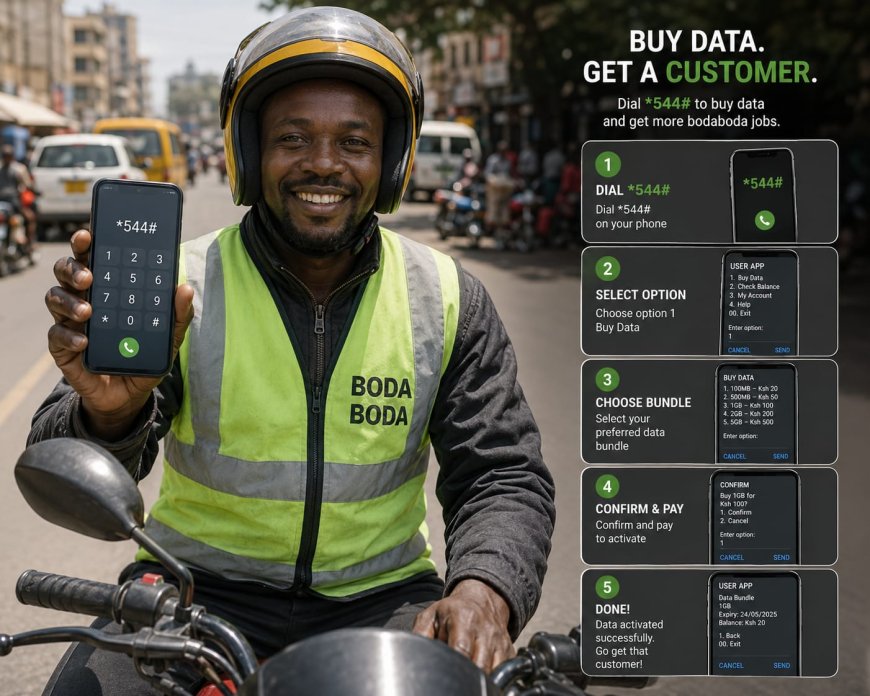
Understanding Shared & Dedicated USSD Use Cases in Kenya.
In a country where not everyone owns a smartphone or has access to reliable internet, a simple combination of numbers and symbols, such as *144# and *334#, is quietly powering millions of daily transactions. Known as USSD (Unstructured Supplementary Service Data), this technology has become a backbone of communication between businesses and customers across Kenya.
USSD codes are short numbers that people dial on their phones to access services such as sending money, checking bank balances, paying bills, or even accessing government services. Unlike mobile apps, USSD does not require an internet connection, making it accessible to both smartphone and basic phone users.
Telecommunication companies like Safaricom, financial institutions such as Equity Bank, and tech platforms including Africa's Talking are among the key players driving USSD adoption. Businesses, government agencies, and everyday Kenyans also rely heavily on the service.
USSD technology has been in use for years, but its importance grew rapidly with the rise of mobile money services in the early 2000s. Today, it remains widely used despite the growth of smartphone apps.
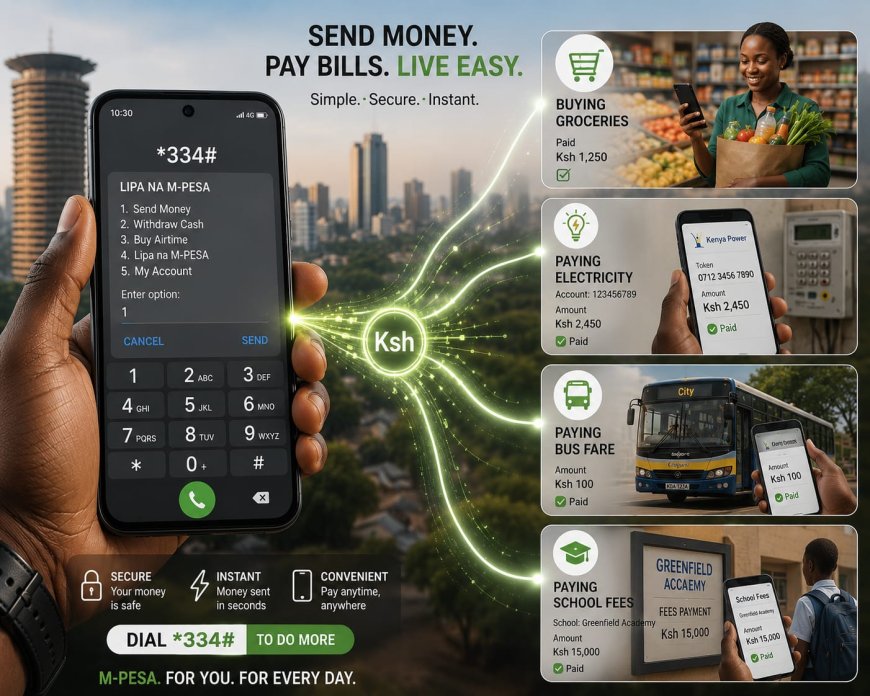
Across Kenya, both in urban centres like Nairobi and in rural areas, USSD is used to access essential services. From paying electricity bills to booking transport or buying groceries, the service cuts across multiple sectors.
USSD bridges the digital divide. It allows people without internet access to participate in the digital economy. For businesses, it offers a direct and reliable way to reach customers. For users, it provides quick, affordable access to services without needing to download apps or use data bundles.
When a user dials a USSD code such as *234#, the request is sent through their mobile network to a service provider. Within seconds, a menu appears on the screen, guiding the user through available options. The interaction happens in real time, meaning responses are immediate, and the session ends once the user exits.
Businesses are increasingly adopting USSD to communicate with customers, run promotions, and collect feedback. Banks use it to offer mobile banking services, while government platforms provide access to public services such as tax payments and student loans.
Mobile money platforms like M-Pesa have further strengthened USSD’s role by enabling users to send and receive money instantly using simple codes.
While USSD remains widely accessible, some providers limit services to specific networks, and advanced features often require technical expertise to develop. However, newer platforms are simplifying the process, allowing businesses to create USSD services faster and more efficiently.
As Kenya continues to embrace digital transformation, USSD remains a critical tool for inclusion. Its simplicity, reliability, and wide reach make it indispensable, especially for millions who still rely on basic mobile phones.
In a fast-changing tech landscape, USSD proves that sometimes, the simplest solutions have the greatest impact.
What's Your Reaction?
 Like
0
Like
0
 Dislike
0
Dislike
0
 Love
0
Love
0
 Funny
0
Funny
0
 Angry
0
Angry
0
 Sad
0
Sad
0
 Wow
0
Wow
0