








































Japandi Design: The Calm Interior Style Blending Japanese and Scandinavian Aesthetics
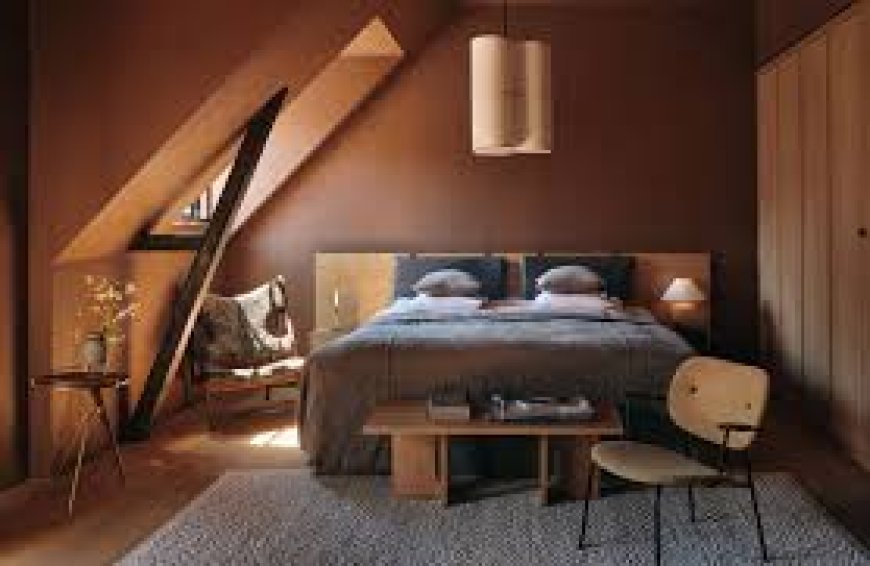
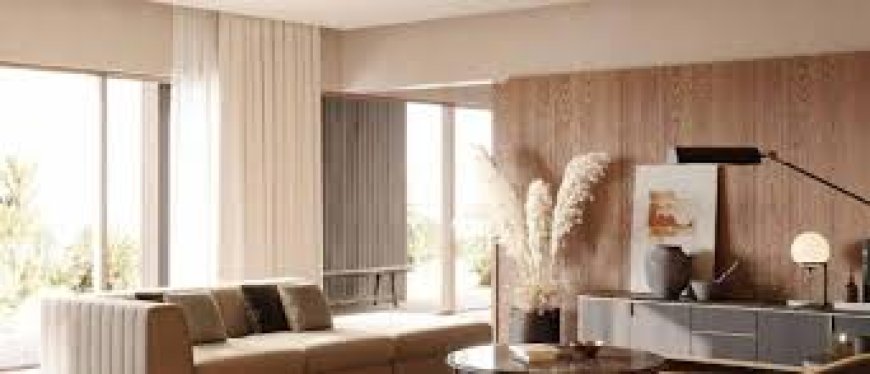
In recent years, a unique interior design trend known as Japandi has captured global attention. Combining the simplicity of Japanese design with the warmth and functionality of Scandinavian interiors, Japandi offers a balanced approach to modern living. Designers and homeowners alike are embracing this style for its ability to create calm, functional, and visually harmonious spaces.
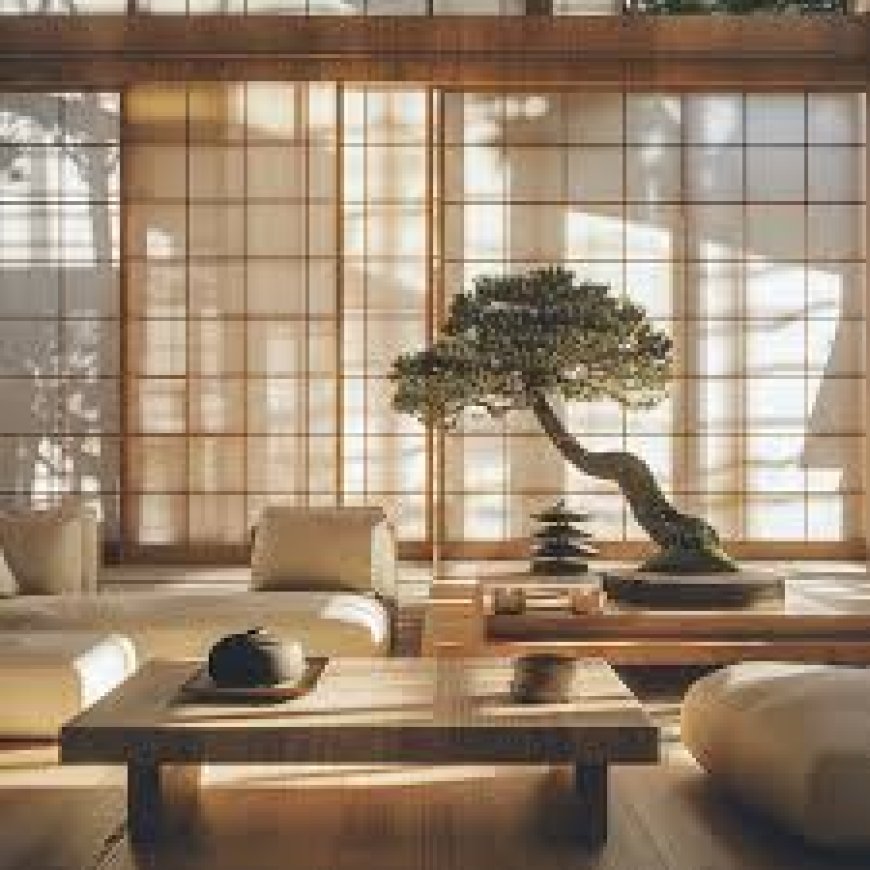
What Is Japandi Design?
Japandi is a hybrid interior design style that merges Japanese minimalism with Scandinavian simplicity. The name itself is a blend of the words Japan and Scandi. While the term became widely popular around 2016, the cultural connection between Japanese and Nordic design philosophies dates back decades through shared appreciation for craftsmanship and simplicity.
The style draws heavily on two philosophies:
- Wabi-sabi from Japan, which celebrates simplicity, imperfection, and natural beauty.
- Hygge from Scandinavia, which focuses on comfort, warmth, and well-being at home.
Together, these ideas create interiors that feel peaceful, practical, and deeply connected to nature.
Key Characteristics of Japandi Interiors
1. Minimalism with Warmth
Japandi spaces follow the principle of “less but better.” Rooms are uncluttered, with each object serving a clear purpose. However, unlike strict minimalism, Japandi maintains a sense of warmth through soft textures and natural materials.
2. Natural Materials
Wood, bamboo, stone, linen, ceramics, and paper are commonly used in Japandi homes. These materials create a tactile, organic environment that reflects a close relationship with nature.
3. Neutral and Earthy Colour Palettes
The style favours muted tones such as beige, warm whites, greys, taupe, charcoal, and natural wood hues. Occasionally, subtle accents like sage green, dusty rose, or ochre are added to bring personality without disrupting the calm aesthetic.
4. Functional Furniture
Furniture in Japandi interiors tends to be low-profile, simple, and practical. Pieces are often crafted from natural wood and feature clean lines, with an emphasis on durability and craftsmanship.
5. Balance Between Light and Dark
Scandinavian interiors typically emphasize bright, light spaces, while Japanese design often incorporates deeper tones. Japandi blends these elements by combining light wood and neutral backgrounds with darker accents for contrast and depth.
Japandi and Modern Lifestyle Trends
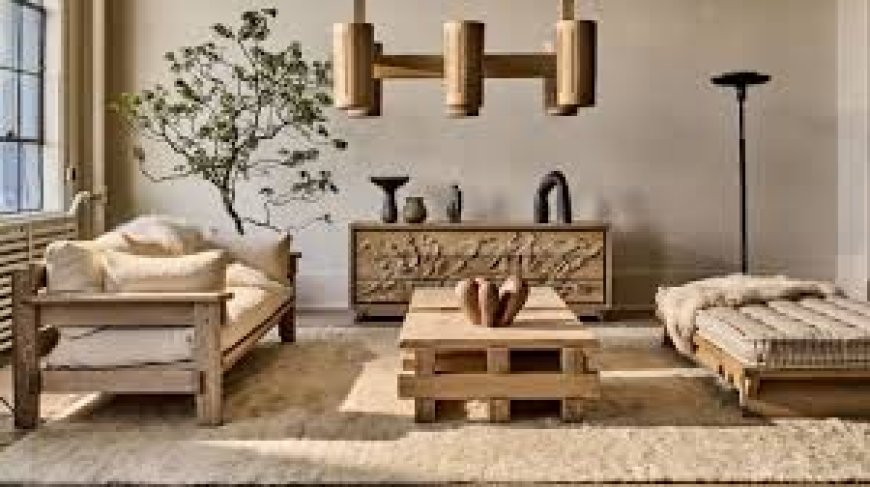
The growing popularity of Japandi design is closely linked to modern lifestyle shifts. In a world filled with digital distractions and fast-paced living, many people are seeking environments that promote calmness and mindfulness.
Japandi interiors encourage intentional living, where fewer but higher-quality items are chosen to create meaningful spaces. Sustainability is also a major factor, as the style prioritizs durable materials, handcrafted objects, and environmentally conscious design choices.
Design experts also note that Japandi fits well with contemporary homes that require flexible, multifunctional spaces, particularly as remote work and compact urban living become more common.
Architecture and Connection with Nature
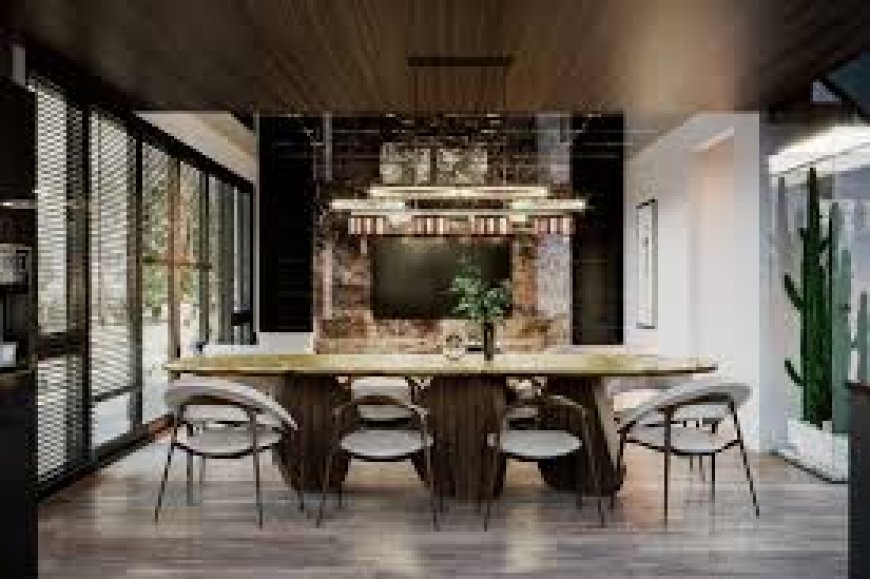
Beyond interior decoration, Japandi design influences architectural features as well. Homes often incorporate large windows, sliding doors, and transitional spaces that blur the boundary between indoor and outdoor living. Natural light, gardens, and simple landscaping further reinforce the style’s connection to nature.
Why Japandi Continues to Grow in Popularity
Interior design experts consider Japandi one of the defining décor trends of the decade. Its appeal lies in the way it blends aesthetics with lifestyle philosophy—offering spaces that feel both elegant and comfortable.
Instead of focusing solely on appearance, Japandi encourages homes that promote balance, serenity, and thoughtful living.
Japandi design represents more than a visual style—it reflects a broader movement toward mindful, sustainable, and intentional living. By merging the tranquillity of Japanese aesthetics with the warmth and practicality of Scandinavian design, it creates interiors that are both timeless and modern.
For many homeowners and designers, Japandi is not just a trend but a philosophy: a reminder that simplicity, natural materials, and thoughtful design can transform a house into a peaceful sanctuary.
What's Your Reaction?
 Like
0
Like
0
 Dislike
0
Dislike
0
 Love
0
Love
0
 Funny
0
Funny
0
 Angry
0
Angry
0
 Sad
0
Sad
0
 Wow
0
Wow
0