



































KRA Introduces Body Cameras for Customs Officers to Curb Corruption at Borders
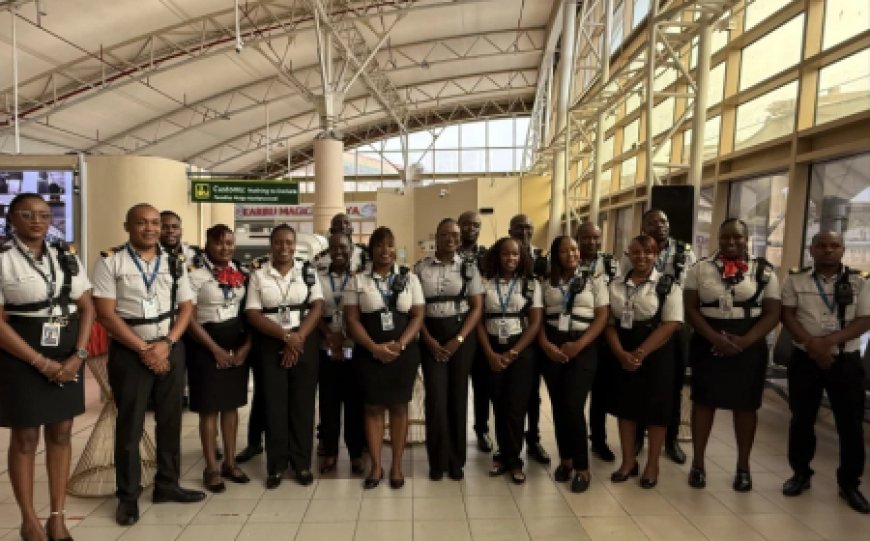
The Kenya Revenue Authority (KRA) has rolled out body-worn cameras for Customs and Border Control officers in a move aimed at improving transparency and accountability during inspections at airports, seaports, and land borders.
The initiative targets disputes that often arise between officers, travellers, and importers during baggage inspections and tax assessments—situations that have historically slowed investigations and complicated enforcement of customs duties.
Each bodycam unit features a dual-component design: a front-facing camera for high-definition video and photography of inspections, and a rear-facing camera for video calls and image transmission back to headquarters.
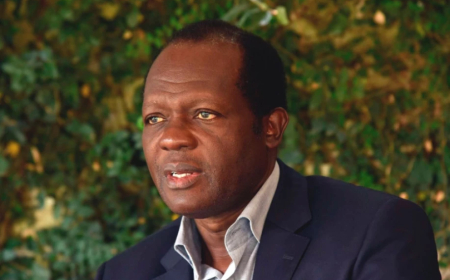
KRA Commissioner General Humphrey Wattanga described the launch as a milestone in modernizing service delivery at the nation’s ports of entry:
“This initiative reinforces our commitment to transparency, professionalism, and secure borders. For too long, it’s been ‘your word against mine’ at border points. Disputes dragged on, trust eroded, and officers doing their jobs had no way to prove it.”
Customs officers interact with thousands of passengers, traders, and clearing agents daily, making border points one of the most visible areas where integrity, professionalism, and fairness shape public perceptions of governance. For example, Jomo Kenyatta International Airport (JKIA) handles roughly 20,342 passengers daily and over 8.9 million annually.
The cameras will record interactions, creating verifiable digital records that can be quickly reviewed whenever complaints arise about inspections, taxes charged, or officer conduct. KRA expects this technology to deter bribery and graft, as both officers and travellers are aware that interactions are being recorded.
Beyond accountability, KRA plans to use the footage as a training tool to identify operational gaps, improve officer conduct, and refine procedures across all border points handling international trade.
The authority emphasized that recordings will comply with the Data Protection Act, 2019, ensuring lawful processing while supporting transparency, accountability, and proper documentation.
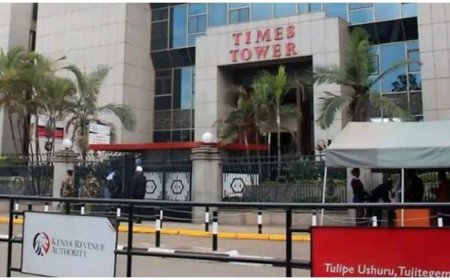
The bodycam deployment complements KRA’s broader digital infrastructure, which includes 350 handheld verification devices, 20 external surveillance cameras, 60 data collection tools, and 2 petabytes of storage at Times Tower.
“Public trust is not a soft metric in customs and trade,” KRA said. “It determines whether a border facilitates economic growth or frustrates it. These cameras will make interactions more transparent, accountable, and trustworthy.”
What's Your Reaction?
 Like
1
Like
1
 Dislike
0
Dislike
0
 Love
0
Love
0
 Funny
0
Funny
0
 Angry
0
Angry
0
 Sad
0
Sad
0
 Wow
0
Wow
0